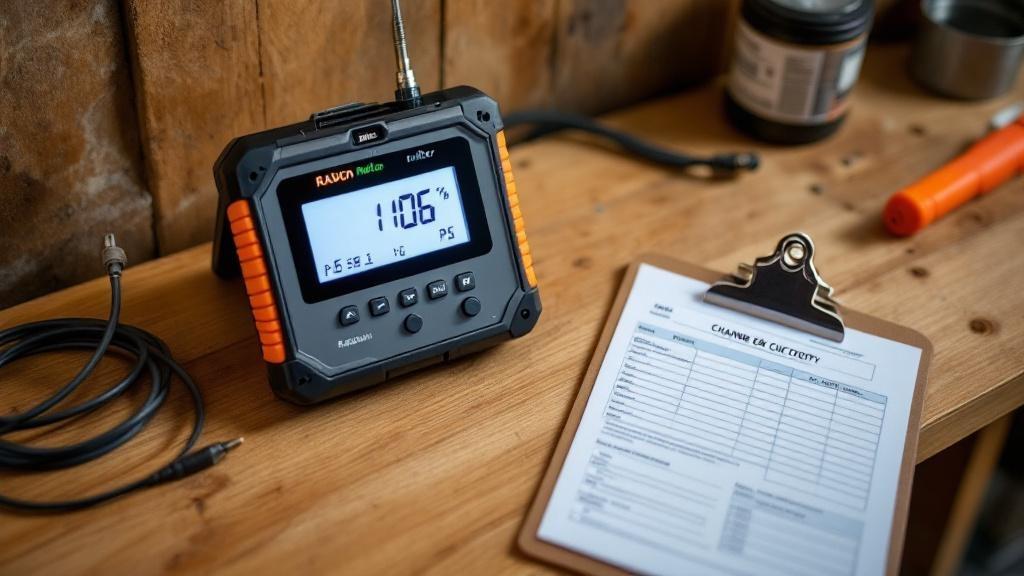
What this service covers
Radon measurement for purchases, post-mitigation checks, and plain curiosity about the air downstairs. Colorado licenses measurement for pay through DORA, and licensed testers work to the ANSI/AARST MAH-2023 protocol: closed-house conditions, device placement on the lowest lived-in level, and a written report that stands up in a real estate transaction.
Typical pricing
$125-$250
Pricing varies by job specifics. Free phone or on-site quotes; fixed pricing once the technician has assessed the job.
Choosing between a 48-hour answer and a season-long one
Short-term devices, charcoal kits, electret chambers, and continuous monitors, read the house over two to seven days under closed conditions. They are the right tool when a purchase contract sets the calendar, when a mitigation system needs its verification test, or when you simply want a first number this week. A continuous monitor adds hourly data, which shows whether a result was flat or spiked with a weather front rolling off the mountains.
Long-term devices, usually alpha-track detectors, sit out for 91 days to a year and average away the noise. Front Range radon swings hard between a sealed January house and a July evening with every window open, so a long-term result is the closest thing to the annual exposure the EPA's risk numbers describe. For a borderline short-term reading, the long device is often what settles the fix-or-wait question.
Professional short-term measurement in the metro typically costs $125 to $250. For your own curiosity, a hardware-store kit costs under $30, and CDPHE's radon program points residents to low-cost test kits. The short versus long test FAQ and the testing season FAQ cover which to reach for first.
Placement and closed-house conditions on the Front Range
A radon number is a measurement of conditions, so the conditions have to be controlled. For a short test, windows and exterior doors stay closed starting 12 hours before the device goes out and for the whole test, with normal coming and going allowed. The device belongs on the lowest level anyone regularly occupies, away from exterior walls, drafts, sunlight, heat sources, and humidity, which rules out kitchens, bathrooms, and the spot on the sill above a baseboard heater.
Denver weather earns two extra cautions. Chinook wind events shove building pressures around and can distort a two-day sample, so a licensed tester watches the forecast before starting a transaction test. And swamp coolers, common in older metro houses, blow outdoor air in and invalidate closed-house conditions entirely; a short test here belongs in the months the cooler is off.
For a home sale, tamper controls matter as much as placement: a monitor that logs hourly readings or paired passive devices, notices posted at the entries, and a report that records start and stop times and device serial numbers. That rigor is what lets a buyer, a seller, and two agents all accept one number. Our real estate radon service schedules tests against contract deadlines.
Reading a Colorado result without panic or shrug
The EPA action level is 4.0 pCi/L: at or above it, fix the home; between 2 and 4, consider fixing, because no concentration is risk-free. Colorado context makes the second band worth taking seriously. CDPHE reports that about half of Colorado homes test above the action level and puts the statewide average around 6.4 pCi/L, several times the national indoor average, so a metro Denver result of 3.5 is not a clean bill of health, it is a typical starting point that a long-term test should confirm or correct.
One result is a snapshot. A winter test usually reads higher than a summer one in the same house, because the sealed, heated months are when the soil-gas draw is strongest. The practical sequence for a home you are not selling: run a short test on the lowest lived-in level, retest or go long-term if the result lands between 2 and 8, and get a second short test before spending mitigation money on any single surprising number.
Keep every report with the house records. The what your number means FAQ walks the bands in detail, and when the answer is a fix, the mitigation systems page shows what happens next.
Service area
Radon Testing is available across Denver and the Front Range metro. Per-suburb pages: